

For self-published authors hoping to attract the attention of a literary agent or traditional publisher, a modest review count is likely to a gargantuan barrier. There’s an odd contradiction here. Writers are told to write the best book possible. Hone their craft. Edit-edit-edit. Create unforgettable characters. Tell stories that matter. Then, when finally producing something to be proud of, they’re met with a resolute no. Why? Book sales aren’t in their thousands and the work isn’t drowning in glowing reviews.
Of course, this isn’t always the case. There are agents/publishers who read with an open mind, but too many writers have encountered the “not enough market traction” response to know it’s part of the conversation. The irony? Getting noticed in today’s publishing landscape is arguably harder than writing the book in the first place. Every day, thousands of new titles appear online. Readers have more choice than ever, and authors are expected to be marketers, graphic designers, social media personalities, video creators, newsletter experts, and advertising specialists—preferably before breakfast. Turns out writing the story was the easy bit.
It’s understandable why agents and publishers seek evidence a book can sell. Publishing’s a business, not a charity. These people invest money, time, and resources, and look to reduce risk, but reducing risk isn’t the same as identifying talent. A self-published novel with five reviews isn’t necessarily mediocre, but might be the product of someone juggling full-time work or having waves of other responsibilities. Illness, financial pressures, or family commitments are factors springing to mind.

The book could hold an exceptional story that never found its audience because the author can’t afford hundreds—sometimes thousands—of pounds on advertising. Marketing isn’t free. Neither is time. Not everyone can fritter hours filming TikToks, running Amazon/Facebook ads, networking on Instagram, or attending book festivals. Some writers are quietly getting through chemotherapy. Others might be caring for elderly parents, raising children, and working two jobs just to pay the rent or mortgage. The absence of online buzz doesn’t always mean the absence of quality.
The publishing industry loves a success story. We hear about self-published authors who have sold hundreds of thousands of copies before signing a lucrative traditional deal, and while such stories are inspiring, they’re also statistical outcasts. The reality is, most books, traditionally or self-published, don’t become runaway bestsellers. Even among authors represented by agents, only a small percentage achieve household-name status. Industry estimates suggest agents typically sign only a fraction of the thousands of submissions received each year—around one percent or less—and many represent a mere handful of new writers annually. Meanwhile, most traditionally published books sell modest numbers rather than tens or hundreds of thousands of copies. Success in publishing has always been the exception rather than the rule.
This raises an uncomfortable question. If most represented authors aren’t becoming bestseller sensations, is the industry’s crystal ball as reliable as it likes to think? Publishing has always involved educated guesswork. Editors fall in love with manuscripts that flop. Books rejected dozens of times become international successes. Titles expected to dominate quietly disappear after a few months on the shelves.
No one gets it right every time, yet some self-published authors still find themselves judged less on the quality of their writing and storytelling than on the size of their review count. Reviews are useful, certainly. They reassure readers and provide social proof, but they’re hardly a perfect measure of literary merit. After all, a book can’t accumulate reviews if readers never discover its existence, and readers won’t discover it without visibility. That depends on marketing budgets, algorithms, and luck as much as storytelling.
It’s a circular problem.
“We won’t consider this because it isn’t bankable, and it isn’t bankable because you haven’t helped readers discover it.”
Round and round we go.
Perhaps the publishing industry would benefit from a different approach. Instead of, “Why has this book not sold?”, try, “What if no one’s seen it?”

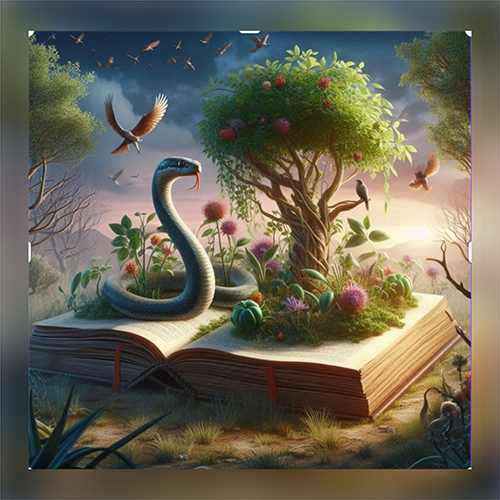

Some of the finest novels had multiple rejections before finding the right champion. Talent doesn’t always arrive carrying impressive sales figures or hundreds of shining reviews. Sometimes it arrives quietly, wrapped inside a paperback with seven reviews, written by someone who squeezed chapters into evenings after work while dealing with life’s less glamorous interruptions. Those stories deserve a chance too.
Every so often, hidden beneath an unimpressive sales dashboard and a scant review section, there may be an extraordinary writer waiting for someone to ferret beyond the numbers. If agents and publishers overlook those authors, they may not only be saying no to the lack of sales and reviews, but no to the next remarkable voice who, given the optimal support and marketing opportunities, flourishes to become a multi-million bestseller. Worth pondering, don’t you agree? Always.
After while.
Wen x
For self-published authors hoping to attract the attention of a literary agent or traditional publisher, a modest review count is likely to a gargantuan barrier. There’s an odd contradiction here. Writers are told to write the best book possible. Hone their craft. Edit-edit-edit. Create unforgettable characters. Tell stories that matter. Then, when finally producing something to be proud of, they’re met with a resolute no. Why? Book sales aren’t in their thousands and the work isn’t drowning in glowing reviews.
Of course, this isn’t always the case. There are agents/publishers who read with an open mind, but too many writers have encountered the “not enough market traction” response to know it’s part of the conversation. The irony? Getting noticed in today’s publishing landscape is arguably harder than writing the book in the first place. Every day, thousands of new titles appear online. Readers have more choice than ever, and authors are expected to be marketers, graphic designers, social media personalities, video creators, newsletter experts, and advertising specialists—preferably before breakfast. Turns out writing the story was the easy bit.
It’s understandable why agents and publishers seek evidence a book can sell. Publishing’s a business, not a charity. These people invest money, time, and resources, and look to reduce risk, but reducing risk isn’t the same as identifying talent. A self-published novel with five reviews isn’t necessarily mediocre, but might be the product of someone juggling full-time work or having waves of other responsibilities. Illness, financial pressures, or family commitments are factors springing to mind.
The book could hold an exceptional story that never found its audience because the author can’t afford hundreds—sometimes thousands—of pounds on advertising. Marketing isn’t free. Neither is time. Not everyone can fritter hours filming TikToks, running Amazon/Facebook ads, networking on Instagram, or attending book festivals. Some writers are quietly getting through chemotherapy. Others might be caring for elderly parents, raising children, and working two jobs just to pay the rent or mortgage. The absence of online buzz doesn’t always mean the absence of quality.
The publishing industry loves a success story. We hear about self-published authors who have sold hundreds of thousands of copies before signing a lucrative traditional deal, and while such stories are inspiring, they’re also statistical outcasts. The reality is, most books, traditionally or self-published, don’t become runaway bestsellers. Even among authors represented by agents, only a small percentage achieve household-name status. Industry estimates suggest agents typically sign only a fraction of the thousands of submissions received each year—around one percent or less—and many represent a mere handful of new writers annually. Meanwhile, most traditionally published books sell modest numbers rather than tens or hundreds of thousands of copies. Success in publishing has always been the exception rather than the rule.
This raises an uncomfortable question. If most represented authors aren’t becoming bestseller sensations, is the industry’s crystal ball as reliable as it likes to think? Publishing has always involved educated guesswork. Editors fall in love with manuscripts that flop. Books rejected dozens of times become international successes. Titles expected to dominate quietly disappear after a few months on the shelves.
No one gets it right every time, yet some self-published authors still find themselves judged less on the quality of their writing and storytelling than on the size of their review count. Reviews are useful, certainly. They reassure readers and provide social proof, but they’re hardly a perfect measure of literary merit. After all, a book can’t accumulate reviews if readers never discover its existence, and readers won’t discover it without visibility. That depends on marketing budgets, algorithms, and luck as much as storytelling.
It’s a circular problem.
“We won’t consider this because it isn’t bankable, and it isn’t bankable because you haven’t helped readers discover it.”
Round and round we go.
Perhaps the publishing industry would benefit from a different approach. Instead of, “Why has this book not sold?”, try, “What if no one’s seen it?”
Some of the finest novels had multiple rejections before finding the right champion. Talent doesn’t always arrive carrying impressive sales figures or hundreds of shining reviews. Sometimes it arrives quietly, wrapped inside a paperback with seven reviews, written by someone who squeezed chapters into evenings after work while dealing with life’s less glamorous interruptions. Those stories deserve a chance too.
Every so often, hidden beneath an unimpressive sales dashboard and a scant review section, there may be an extraordinary writer waiting for someone to ferret beyond the numbers. If agents and publishers overlook those authors, they may not only be saying no to the lack of sales and reviews, but no to the next remarkable voice who, given the optimal support and marketing opportunities, flourishes to become a multi-million bestseller. Worth pondering, don’t you agree? Always.
After while.
Wen x